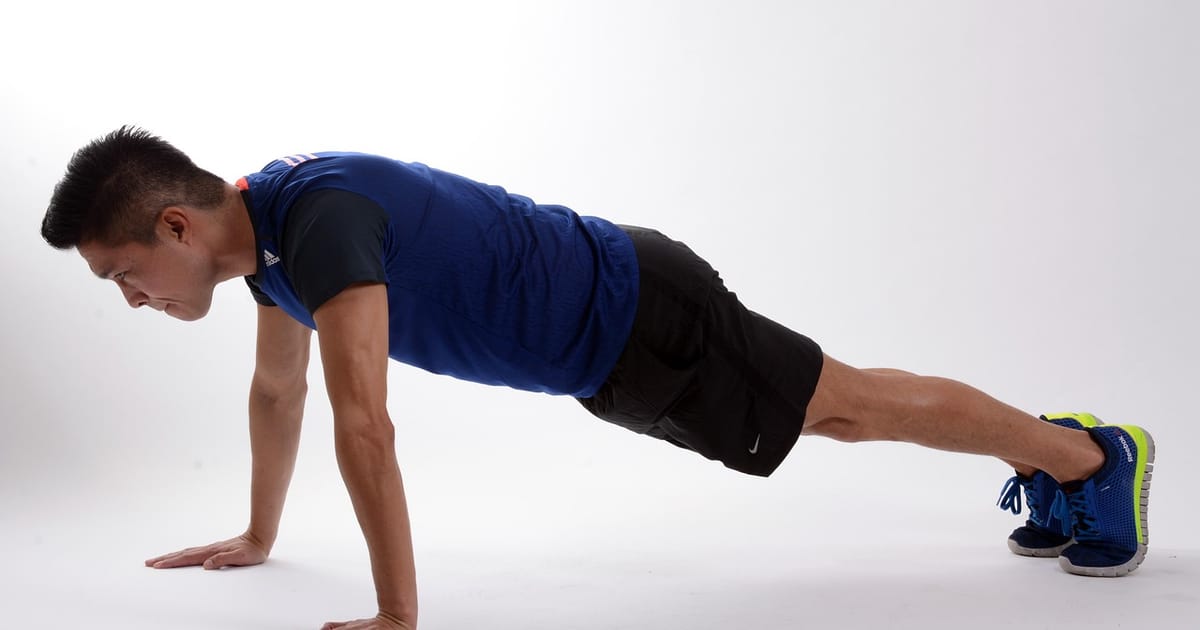

Workout Split for Muscle Growth: Pick by Days per Week
The best workout split for muscle growth depends on how many days you can train. A table by schedule, weekly sets per muscle and what 2024-2026 research found.
PushSlayer Editorial Team · Updated · 7 min read
Leer en español
No workout split builds more muscle than another when the weekly work is the same. A 2024 meta-analysis of 14 studies and 392 people found that split and full-body routines produced similar muscle growth and strength once volume was matched. So pick the split that fits the days you can train: full body for 2-3 days a week, upper/lower for 4, push/pull/legs for 5-6. Then make sure each muscle gets about 10 hard sets a week or more.
Best workout split by days per week
Choose the row that matches the number of days you can train every week, including the busy ones. The last two columns are our arithmetic for reaching 10-16 hard sets per muscle each week, starting near the 10 weekly sets the research below links to more growth.
| Days per week | Split | Times each muscle is trained | Sets per muscle per session | Weekly sets per muscle |
|---|---|---|---|---|
| 2 | Full body | 2 | 5-6 | 10-12 |
| 3 | Full body | 3 | 3-5 | 9-15 |
| 4 | Upper/lower | 2 | 5-8 | 10-16 |
| 5 | Upper/lower + push/pull/legs | 2 | 5-8 | 10-16 |
| 6 | Push/pull/legs, twice through | 2 | 5-8 | 10-16 |
| 5 | Body-part ("bro") split | 1 | 10-16 | 10-16 |
Two days a week works, but each session gets long, because every muscle needs 5 or more sets in one visit. Three or four days is the most comfortable fit for most people who want to grow.
Is full body or a split better for muscle growth?
Neither, when the total number of sets is the same. The Ramos-Campo meta-analysis compared split and full-body programs in healthy adults and found no meaningful difference in bench press strength, lower-body strength, arm and thigh muscle size or lean body mass. The authors conclude that people can pick a routine based on personal preference.
The 2026 American College of Sports Medicine position stand, an overview of 137 systematic reviews with more than 30,000 participants, reached the same place by a different route. It found that training a muscle 1 day a week or more than 5 days a week made no difference to muscle growth when total volume was equal.
Some single trials still favor full body. In a small 2015 trial of 20 trained men, the group doing 3 full-body sessions a week gained more forearm flexor thickness than a group training each muscle once a week on a split, while strength gains were similar. One small study does not outweigh the pooled data, but it is a reason not to dismiss full body as a beginner-only plan.
How many times a week should you train each muscle?
Twice a week is a practical target, but frequency matters far less than total sets. The research changed as more studies came in:
- A 2016 meta-analysis of 10 studies concluded that training a muscle twice a week grew more muscle than once a week.
- A 2019 update with 25 studies found no significant difference between higher and lower frequencies once volume was equal. Without equal volume, higher frequencies came out slightly ahead, because they usually meant more sets.
- A 2026 meta-regression of 67 studies and 2,058 participants found that the effect of frequency on muscle growth was compatible with a negligible one. Strength was different: it rose with frequency, with diminishing returns.
So frequency works as a tool for fitting in volume. Doing 12 sets for your chest in one session means the last sets are done tired; spreading them over 2 sessions of 6 is easier to do well. That is our coaching reasoning, not a tested rule, and it is why most rows in the table train each muscle twice.
How many sets per muscle per week do you need?
Start at about 10 hard sets per muscle group each week. The 2026 ACSM stand found that muscle growth was enhanced by volumes of 10 or more sets a week. An earlier meta-analysis estimated that each extra weekly set added about 0.37% to the percentage gain in muscle size.
More sets help, but each one adds less. The 2026 meta-regression found diminishing returns as weekly volume climbed. Our coaching suggestion, not a tested protocol: begin at about 10, run it for 8 weeks, and add 2-4 sets for a muscle that has stopped improving, if you are still recovering well between sessions. A hard set here means one that ends within a few reps of failure.
The main workout splits compared
Each split below includes a sample week. The exercises are examples: swap in what your gym or home setup has, as long as each muscle reaches its weekly sets. For every set, use a weight you can lift for 6-12 reps, the zone the 2009 ACSM position stand emphasizes for hypertrophy, and stop 1-3 reps short of failure (our coaching call).
Full body
Every session trains every major muscle, usually 2-4 days a week with a rest day between. It suits beginners, busy weeks and anyone who misses sessions often, because missing one day still leaves each muscle trained that week.
A 3-day week: squat, bench press or push-ups, row, Romanian deadlift, overhead press and one core exercise, 3 sets each, on Monday, Wednesday and Friday.
Upper/lower
You alternate upper-body and lower-body days, usually 4 days a week, so each muscle is trained twice. It keeps sessions shorter than full body at the same weekly volume, since each visit covers half the body with 5-8 sets per muscle.
A 4-day upper/lower plan, 3-4 sets per exercise:
| Day | Session | Exercises |
|---|---|---|
| Monday | Upper | Bench press, barbell row, overhead press, lat pulldown, biceps curl, triceps pushdown |
| Tuesday | Lower | Back squat, Romanian deadlift, walking lunge, leg curl, calf raise |
| Thursday | Upper | Incline dumbbell press, seated cable row, pull-ups or assisted pull-ups, lateral raise, push-ups |
| Friday | Lower | Leg press, hip thrust, split squat, leg extension, calf raise |
With 3-4 sets per exercise, chest gets 9-12 weekly sets from bench press, incline press and push-ups, and back gets 12-16 from four pulling exercises.
Push/pull/legs
Push days train chest, shoulders and triceps, pull days back and biceps, leg days the lower body. Run it 6 days a week and each muscle is trained twice. Run it 3 days a week and each muscle is trained once, which still works if each session reaches the full weekly sets, but leaves no slack for a missed day.
A 6-day week, 3 sets per exercise, with Sunday off:
- Monday push: bench press, overhead press, incline dumbbell press, triceps dip.
- Tuesday pull: barbell row, pull-ups, face pull, biceps curl.
- Wednesday legs: back squat, Romanian deadlift, leg curl, calf raise.
- Thursday push: incline press, dumbbell shoulder press, push-ups, lateral raise.
- Friday pull: seated cable row, lat pulldown, rear-delt fly, hammer curl.
- Saturday legs: leg press, hip thrust, split squat, calf raise.
Upper/lower + push/pull/legs
This 5-day hybrid runs upper and lower on 2 days and push, pull and legs on 3. Each muscle is still trained about twice a week, with one rest day more than a 6-day push/pull/legs plan. A sample week: Monday upper, Tuesday lower, Wednesday off, Thursday push, Friday pull, Saturday legs, Sunday off. Use the upper and lower sessions from the 4-day plan above and the Monday to Wednesday sessions from the push/pull/legs week.
Body-part split
Each session trains one or two muscle groups, so each muscle is trained once a week. The research above says it can grow muscle as well as other splits when weekly sets match. The catch is practical: all 10-16 sets for a muscle come in one session, and a missed day leaves that muscle untrained for two weeks.
A 5-day week, 3-4 sets per exercise:
- Monday chest: bench press, incline dumbbell press, cable fly, push-ups.
- Tuesday back: barbell row, pull-ups, seated cable row, lat pulldown.
- Wednesday legs: back squat, Romanian deadlift, leg press, leg curl, calf raise.
- Thursday shoulders: overhead press, lateral raise, rear-delt fly.
- Friday arms: biceps curl, hammer curl, triceps pushdown, overhead triceps extension.
Is a bro split bad for muscle growth?
No, but it is the least forgiving choice. When volume is equal, the 2019 and 2026 meta-analyses found no meaningful muscle growth penalty for training a muscle once a week. If strength also matters to you, the ACSM stand found strength improved with 2 or more sessions a week, and the 2026 meta-regression found strength rose with frequency. A bro split gives each lift only one practice session a week.
What is the best workout split for beginners?
Full body, 2-3 days a week. The 2009 ACSM position stand recommends 2-3 training days a week for novices, 3-4 for intermediate lifters and 4-5 for advanced ones. The CDC guidelines ask adults to do muscle-strengthening work on 2 or more days a week that works all major muscle groups (legs, hips, back, abdomen, chest, shoulders and arms), which a full-body plan covers by design.
The newer evidence is less strict about why. The 2026 ACSM stand notes that the old advice for novices to train full body 2-3 times a week rested on only three studies with 59 participants, two of which did not test frequency at all. Full body remains our pick for beginners because it practices each movement more often and survives a missed session, not because a split would fail.
How to choose your split in 4 steps
- Count the days you can train in a normal week, not your best week. Use that number, not your ideal one.
- Find that row in the table above and take its split.
- Give each major muscle about 10 hard sets a week, divided across the sessions that train it. The 2009 ACSM stand gives 1-2 minutes of rest between sets for hypertrophy; our guide on how long to rest between sets explains when newer studies support longer rests on big lifts.
- Run the split for at least 8 weeks (our coaching call: long enough to see whether your lifts move) and add weight or reps each week using the rules in our guide to progressive overload for muscle growth. Change the split only if your schedule changes; change the sets if a muscle stops growing.
A workout split at home with no equipment
The same splits work with bodyweight exercises. Full body is the easiest fit at home: push-ups, squats, a row under a sturdy table, split squats and a plank, 3 sets each, 3 days a week. If you prefer to split it, run upper/lower with push-up variations and rows on upper days and squats, lunges and hip bridges on lower days.
Our beginner bodyweight workout program is a full-body plan of this kind, with a harder version of each move to switch to as you get stronger.
What matters more than your split
Once each muscle gets about 10 hard sets a week, the split is a small lever, since the studies above found no split better than another at equal volume. Adding load or reps over time is what keeps those sets productive, and enough protein supports the muscle you build. Our guide to protein per day to build muscle gives grams by body weight.
If a joint hurts during a session or for days afterward, stop that exercise and see a doctor or physiotherapist before you add more sets.